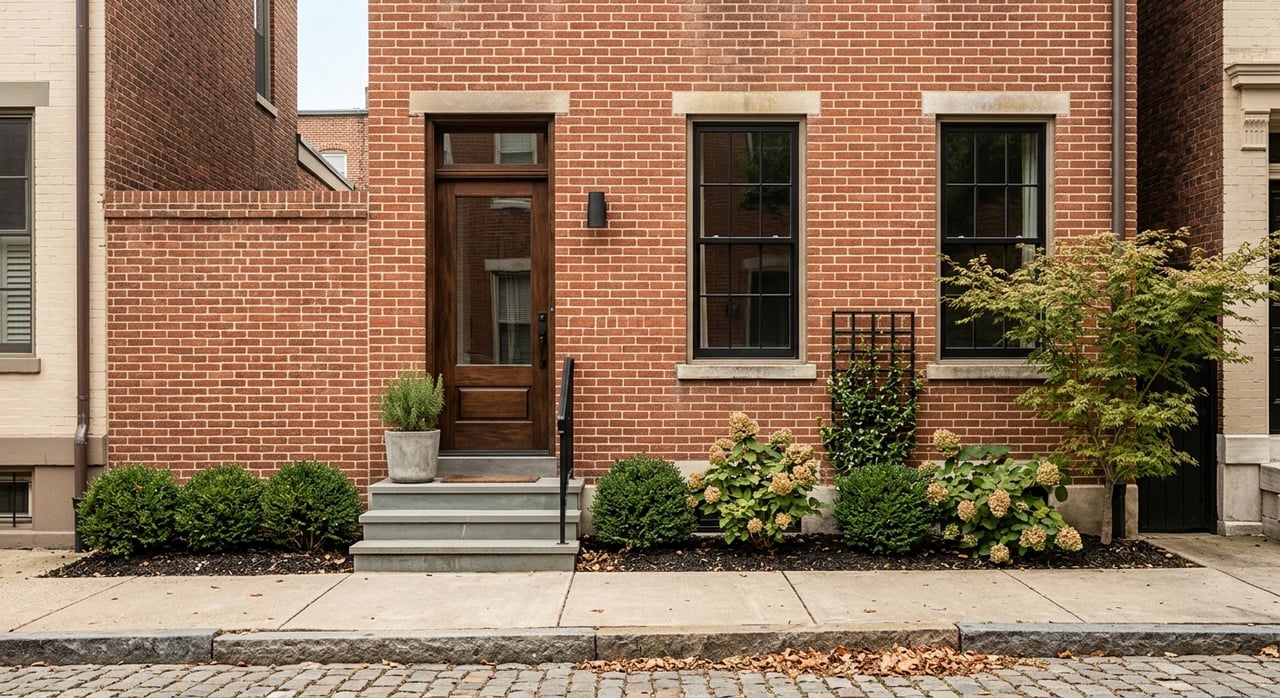
Exploring Nashville’s Germantown Neighborhood On Foot
May 21, 2026
May 21, 2026
Curious whether a Nashville neighborhood can still feel genuinely walkable, layered, and easy to get to know in a single afternoon? Germantown makes a strong case. If you are exploring the city for a move, planning a weekend outing, or trying to picture daily life beyond a listing photo, this neighborhood gives you a clear sense of place on foot. Here is how to experience Germantown step by step, and what that walk can tell you about the area’s rhythm, character, and appeal. Let’s dive in.
Germantown sits just northwest of downtown Nashville and is listed on the National Register of Historic Places. Its roots go back to the mid-19th century, when European immigrants helped shape the neighborhood into what local historic sources describe as Nashville’s first suburb in North Nashville.
That history still shows up in the experience of walking here. You move through a neighborhood with restored historic homes, newer infill, brick sidewalks, mature trees, restaurants, shops, and civic destinations that sit close enough together to make a day on foot feel natural.
Visit Nashville specifically describes Germantown as a walkable historic neighborhood. Instead of one single main attraction, the area works best as a series of short, connected stops that unfold block by block.
A practical place to begin is the Nashville Farmers’ Market at 900 Rosa L. Parks Blvd. The market sits in the urban core beside Bicentennial Capitol Mall State Park and the Tennessee State Museum, and it is within walking distance of Germantown.
This starting point makes sense for more than convenience. You can grab coffee or a casual bite, get your bearings, and ease into the neighborhood without needing to drive from stop to stop.
It is also well connected. According to the market, public bus service stops right in front of the property, and the site is near a greenway trailhead, which adds to the neighborhood’s broader accessibility.
Once you are oriented, the next easy move is a loop through the civic edge of the neighborhood. The Tennessee State Museum sits at Rosa L. Parks and Jefferson, directly adjacent to the market and Bicentennial Capitol Mall State Park.
This part of the walk helps you see how closely Germantown connects to some of Nashville’s major public spaces. The museum’s visitor information even reminds guests to respect adjacent Germantown streets when parking, which says a lot about how tightly the neighborhood and these civic destinations meet.
If you are trying to understand day-to-day livability, this matters. A neighborhood with parks, cultural spaces, and local gathering points within a short walking route often feels more usable, not just more attractive.
After the market and museum area, head into the residential core and slow down. This is where Germantown’s identity becomes easier to read.
Official preservation guidance describes a walk through Germantown as a mix of restored houses, new infill construction, multi-family developments, restaurants, businesses, shops, and attractive brick sidewalks. That blend is one of the neighborhood’s defining traits.
Germantown does not read as a one-style neighborhood. Preservation materials point to a broad architectural vocabulary that includes Federal-style buildings, Transitional Victorian homes, Queen Anne Cottage forms, Craftsman influences, townhouses, corner commercial buildings, plex houses, and low-rise mixed-use structures.
For you as a walker, that means the neighborhood feels layered rather than repetitive. You are not seeing a frozen historic district or a completely new-build environment. You are seeing an area that has evolved while still holding onto its street-level character.
A good example is the Germantown Inn, a two-story Federal-style house built in 1865 and later adapted into a boutique inn while maintaining its historic character. It is the kind of detail that helps make preservation feel visible instead of abstract.
One reason Germantown feels cohesive is that local design guidance emphasizes compatibility over imitation. New construction is expected to respect height, scale, setbacks, orientation, and the pedestrian street edge.
That approach matters when you are evaluating a neighborhood for real life. It helps explain why newer infill can exist here without making the area feel disconnected from its past.
In simple terms, Germantown tends to feel composed. The old and new are meant to work together, which creates a more stable visual rhythm as you walk from block to block.
If you want to understand Germantown beyond its restaurant reputation, pay attention to the details underfoot and overhead. Brick sidewalks, mature trees, and preserved streetscapes all shape the experience.
Historic Germantown Neighborhood Association notes that the area has more than 100 tree species. That helps explain why even a short walk can feel textured and shaded rather than purely urban.
These details are easy to overlook when you only drive through. On foot, they become part of the neighborhood’s personality.
If your visit lines up with a game day or event night, First Horizon Park adds another layer to the neighborhood. The ballpark, home of the Nashville Sounds, opened in 2015 in Germantown and also serves as a venue for festivals, charity walks, and fundraisers.
That means the park is not separate from neighborhood life. It contributes to the pedestrian rhythm of the area, especially when people are moving between restaurants, sidewalks, and event spaces.
For some buyers, that energy is a plus. For others, it is simply useful context about how the neighborhood can shift between a quieter daytime feel and a more active event atmosphere.
Germantown’s dining scene is one of the easiest reasons to spend a full day here on foot. Visit Nashville highlights a wide range of neighborhood spots, including 5th & Taylor, Henrietta Red, Pelato, Tailor, Rolf and Daughters, Von Elrod’s, Taco Mamacita, Germantown Pub, Rolled 4 Ever Ice Cream, and Indaco.
The variety is part of the appeal. In a compact area, you can move from coffee or brunch to a museum stop, then to a patio dinner or dessert without changing neighborhoods.
Visit Nashville also describes Germantown as one of the city’s stronger patio-dining neighborhoods. If you are trying to picture everyday lifestyle, that is a meaningful detail. The area supports lingering, not just passing through.
If you want a straightforward route, this sequence works well:
This kind of route shows you both sides of Germantown. You get the public-facing energy of the market and park, then the quieter texture of the residential blocks.
Germantown’s current popularity makes more sense when you know a little about its past. Local historic sources note that the neighborhood once included large brick townhouses beside modest workers’ cottages, and that residents walked downtown or used horse-drawn trolleys.
The area was also tied to German-speaking churches and immigrant-owned businesses. By 1865, Germantown was home to four breweries, according to a Metro historic marker.
That detail is more than trivia. It helps explain why food, gathering spaces, and social life still feel central to the neighborhood’s identity today.
Like many historic urban neighborhoods, Germantown changed over time. Local history notes that decline accelerated after World War I, and revival began in the 1970s.
The neighborhood’s historic district registration in 1979 marked an important step in preserving its character. Since then, community traditions and preservation efforts have helped keep its identity visible.
Historic Germantown Neighborhood Association points to long-running events such as Oktoberfest, the Holiday Home Tour, and the Good Neighbors program as part of that civic fabric. So while Germantown is known for restaurants and walkability, it is also a place with an active neighborhood story.
When you explore Germantown on foot, you learn something listings alone cannot show you. You see how close the market, museum, park space, ballpark, restaurants, and residential blocks really are. You notice how historic homes and newer buildings share the same pedestrian edge.
You also get a better sense of pace. Some neighborhoods impress online but feel fragmented in person. Germantown tends to feel connected.
For buyers, especially those relocating to Nashville, that kind of firsthand neighborhood read is invaluable. It helps you match your routine, preferences, and priorities to the place itself.
If you are considering Germantown or trying to compare it with other Nashville neighborhoods, working with someone who can translate those block-by-block differences can make the process much clearer. If you want help understanding where Germantown fits into your search, connect with Antonia Nelson.
Stay up to date on the latest real estate trends.
Downtown
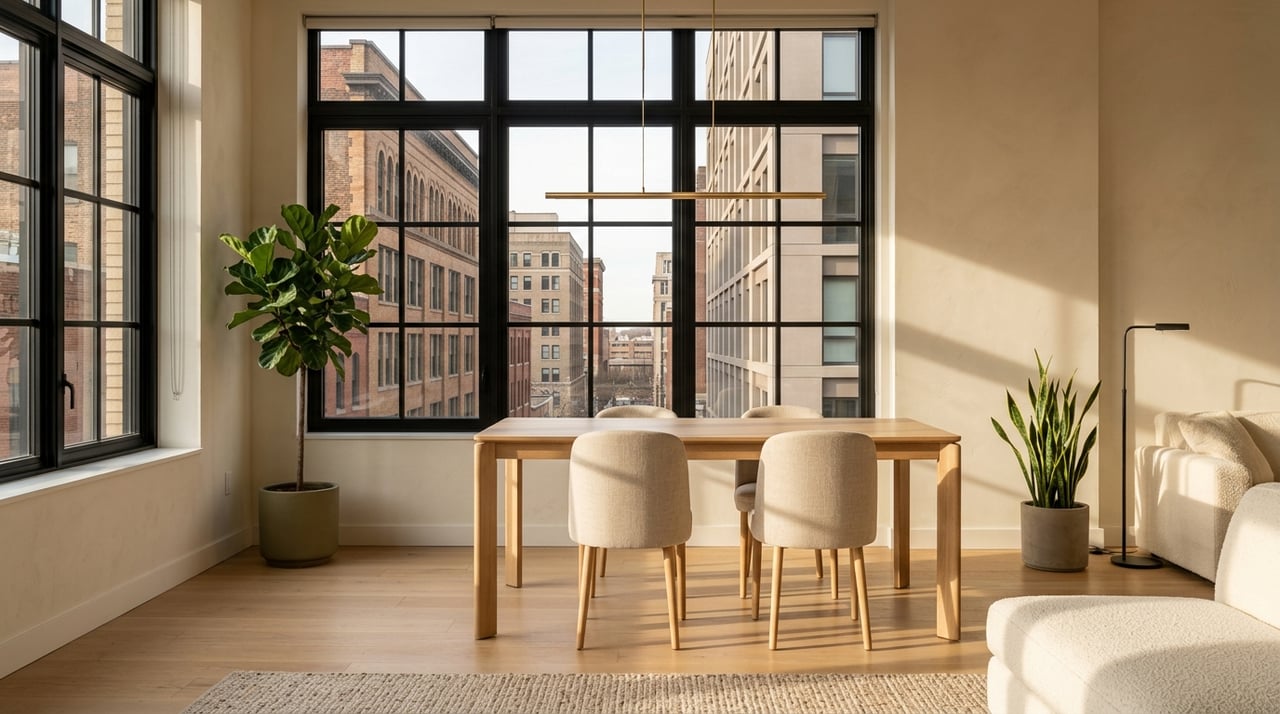
From walkable condo living and skyline views to nightlife, parking, and everyday convenience — here’s what to know before calling Downtown Nashville home.
Receive expert guidance on accurately evaluating property value, preparing a strong and highly competitive offer, handling contracts with confidence, and navigating every step of the buying or selling process with ease. Reach out to Antonia today to confidently achieve your real estate goals and make informed decisions!