How It Feels To Live In Hillsboro Village
May 28, 2026
May 28, 2026
If you want a Nashville neighborhood where you can actually walk out for coffee, dinner, or a movie without planning your whole day around the car, Hillsboro Village stands out fast. For many buyers, the appeal is not just location. It is the feeling of living somewhere with a real daily rhythm, a distinct identity, and easy access to some of the city’s most established institutions. This guide will help you picture what everyday life in Hillsboro Village can feel like, from the streetscape to the housing character to the pace of the neighborhood. Let’s dive in.
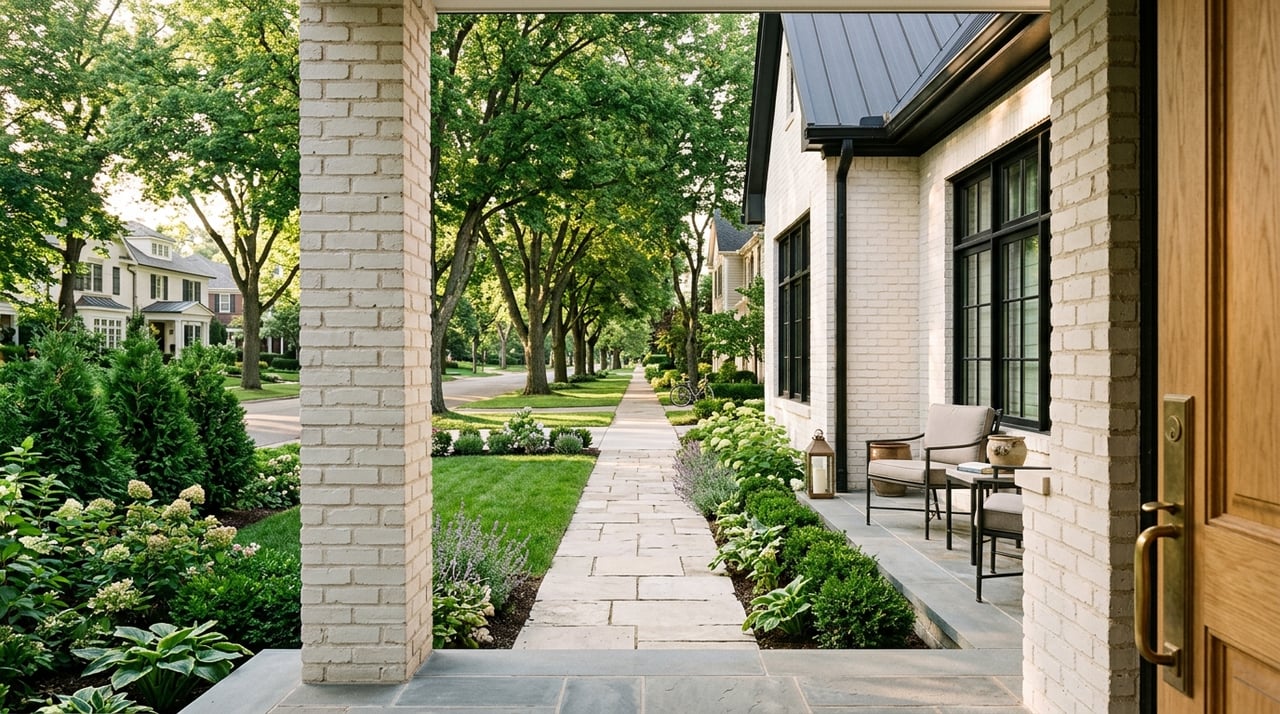
One of the clearest things about Hillsboro Village is that it reads as a compact, pedestrian-oriented neighborhood. Local sources describe Belmont and Hillsboro Village as artistic, community-oriented, and inviting, with shops, cafes, restaurants, charming bungalows, and historic buildings shaping the experience.
That matters because the feel of a neighborhood starts with how you move through it. In Hillsboro Village, the experience is less about long drives between errands and more about stepping outside and having useful, familiar places nearby. Vanderbilt and Belmont are both close, which adds to the area’s active, connected atmosphere.
Living in Hillsboro Village often means your day can unfold in layers. The neighborhood has long-standing breakfast and coffee anchors, and that gives the area a steady daytime energy that feels practical as much as social.
Pancake Pantry has served breakfast since 1961 and opens at 6 a.m. Fido began as a coffee-roasting café in 1996 and continues as an all-day café with an organic coffee bar. Together, places like these help set the tone for morning routines, casual meetings, and low-key daytime errands.
If you like neighborhoods that feel awake early, Hillsboro Village has that quality. Coffee shops and breakfast spots help create movement from the start of the day, so the area often feels active without feeling chaotic.
That kind of morning rhythm can be especially appealing if you work remotely, keep a flexible schedule, or simply enjoy having a few familiar places built into your week. Instead of the neighborhood coming alive only at night, it tends to offer utility and energy throughout the day.
At night, Hillsboro Village shifts rather than shuts down. The Belcourt Theatre, which opened in 1925, is now a nonprofit cinema focused on independent, documentary, world, repertory, and classic films, giving the neighborhood a strong cultural anchor.
The area also continues to evolve. Newer additions like Bungalow10 and Jar, both opened in 2024, show that Hillsboro Village still attracts fresh dining and nightlife concepts. The result is a neighborhood that can feel lively in the evening while still grounded in everyday local use.
One reason Hillsboro Village feels memorable is the contrast between a busy village core and quieter residential blocks nearby. That mix shapes how the neighborhood functions on a day-to-day basis.
You may find that a short walk can take you from storefronts, cafés, and restaurants to streets with older homes and a more settled residential feel. For many buyers, that balance is the draw. You get access to activity and convenience without giving up the sense that people actually live there.
When buyers picture Hillsboro Village homes, they are often responding to the broader historic character in and around the area. A key housing reference point is the nearby Hillsboro-West End historic district, a large residential district built out mostly between 1910 and 1935.
Common architectural styles in that district include Craftsman or Bungalow, Tudor Revival, Colonial Revival, American Foursquare, English Cottage, and Minimal Traditional. These styles help explain why the area feels visually layered and distinct from newer, more uniform development.
Homes in the nearby historic district are typically one or two stories and often include two or three bedrooms, front and rear yards, and detached garages. Lots are described as relatively narrow and deep, which contributes to the close-knit residential pattern.
That type of layout can create a streetscape that feels established and human-scaled. Instead of oversized spacing or broad suburban setbacks, the visual experience often comes from mature homes, defined lots, and a strong sense of neighborhood fabric.
Local sources note that Hillsboro Village dates to the 1920s and has changed substantially over time. That history helps explain why the neighborhood feels both preserved and evolving.
The residential areas have retained much of their historic character, while commercial edges have changed more over time. For you as a buyer, that can mean living in a place where the architecture and street presence feel rooted, even as the shopping and dining mix continues to shift.
Hillsboro Village tends to appeal to people who want character, convenience, and a more walkable lifestyle. Based on the neighborhood’s housing stock, location, and amenity mix, it often resonates with academics, graduate students, faculty, creative professionals, and downsizers.
That does not mean there is one type of resident. It means the neighborhood often works best for people who value access and identity over large-lot suburban scale. If you want your home base to feel connected to cafés, culture, and established Nashville character, this area may feel like a natural fit.
Some neighborhoods are built around driving from one destination to the next. Hillsboro Village offers a different pattern. It tends to reward buyers who want everyday convenience built into the neighborhood itself.
That can look like grabbing coffee on foot, meeting a friend for breakfast, heading to a film, or running a quick errand without leaving the immediate area. For many people, that is not just a convenience feature. It becomes part of how the neighborhood supports daily life.
Hillsboro Village also tends to attract buyers who want more than a functional address. With its mix of historic buildings, independent businesses, university proximity, and cultural staples, the area has a recognizable personality.
If you are relocating to Nashville, that can be especially helpful. A neighborhood with a clear identity is often easier to understand and easier to imagine yourself in, especially if you are comparing very different parts of the city.
On a practical level, Hillsboro Village can feel compact, active, and established. You are near major institutions, but the neighborhood experience is shaped by local places and a more intimate scale than many busy urban corridors.
On an emotional level, the area often feels like a place with habits and memory. Long-running breakfast spots, historic architecture, and the Belcourt Theatre all contribute to that sense that Hillsboro Village is not just convenient. It is familiar, layered, and distinctly Nashville.
That said, the right fit always comes down to your routine. If you want expansive lots, more separation between uses, or a quieter suburban pattern, another neighborhood may suit you better. But if you want a walkable pocket with culture, character, and a strong sense of place, Hillsboro Village is easy to understand once you spend time there.
If you are considering a move and want help comparing Hillsboro Village with other Nashville neighborhoods, working with a guide who can translate not just the market but the day-to-day feel can make the process much clearer. If you are ready to explore your options, connect with Antonia Nelson for thoughtful guidance tailored to how you want to live.
Stay up to date on the latest real estate trends.

Franklin
How to find the Franklin neighborhood that fits the way you actually want to live
Downtown
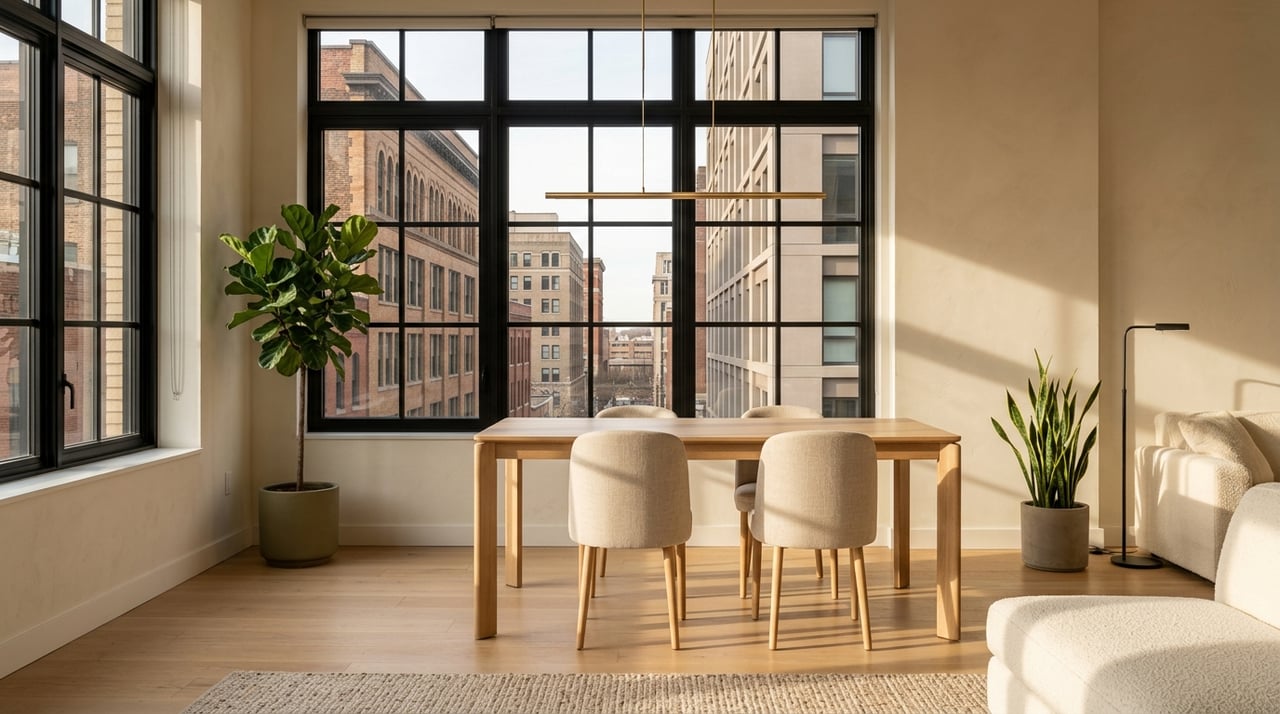
From walkable condo living and skyline views to nightlife, parking, and everyday convenience — here’s what to know before calling Downtown Nashville home.
Receive expert guidance on accurately evaluating property value, preparing a strong and highly competitive offer, handling contracts with confidence, and navigating every step of the buying or selling process with ease. Reach out to Antonia today to confidently achieve your real estate goals and make informed decisions!