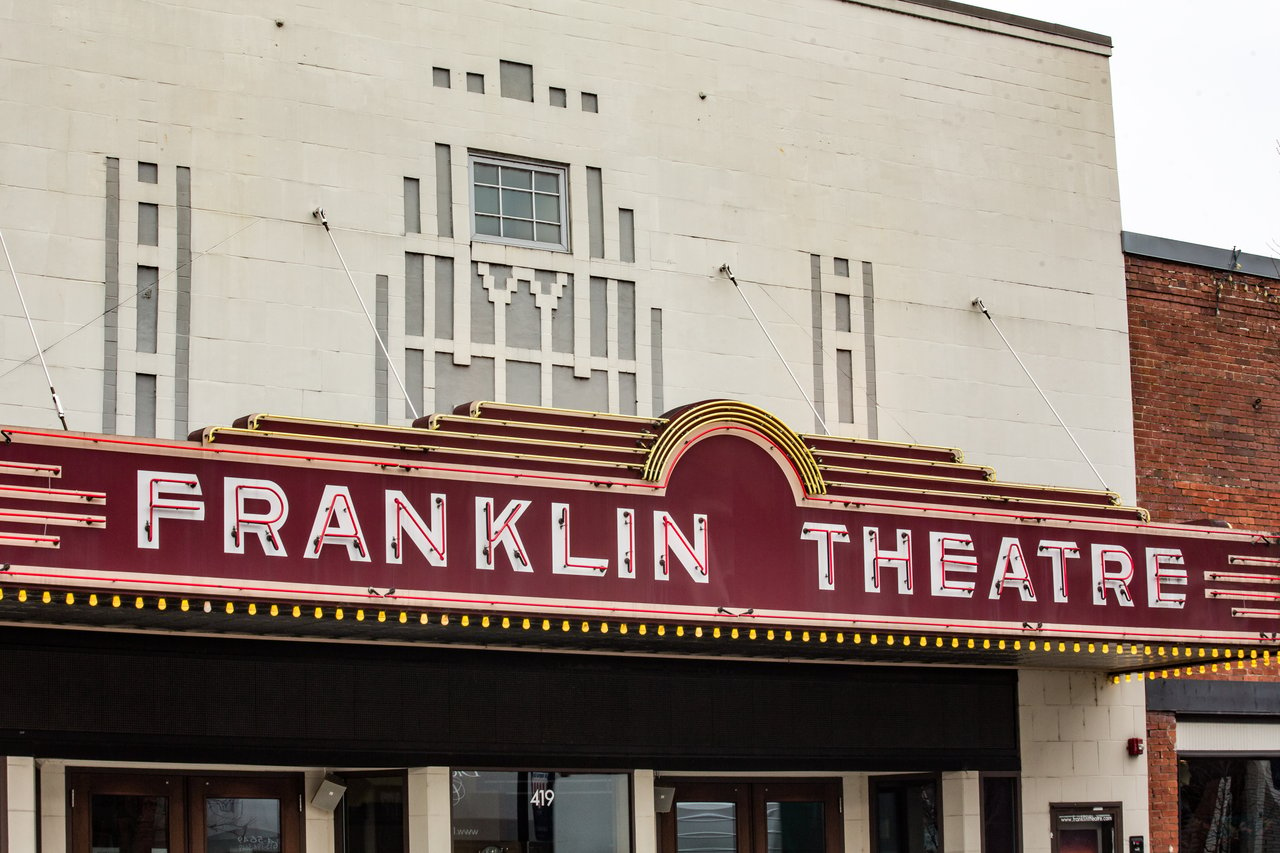
Franklin Isn't One Suburb — It's Five Different Lifestyles
Franklin Antonia Nelson June 4, 2026
Franklin Antonia Nelson June 4, 2026
If Franklin feels hard to pin down, that is because it is. Instead of one uniform suburb, Franklin is better understood as a group of distinct lifestyle zones, each with its own rhythm, housing pattern, and daily tradeoffs. If you are trying to decide where you belong, the real question is not just what house you want — it is what kind of routine you want around it. Here is how to read the map.
Franklin's growth has been shaped by planning, preservation, and transportation investment. Williamson County separates urban growth boundaries, planned growth areas, and designated rural areas, which helps explain why one part of Franklin can feel walkable and historic while another feels newer, more amenity-driven, or more open and rural.
Neighborhood fit matters as much as square footage. In Franklin, your daily experience can change significantly depending on whether you want historic character, planned convenience, or countryside breathing room.
If you picture Franklin as charming sidewalks, preserved buildings, and busy local events, you are likely thinking about downtown and the legacy core. The city describes downtown as a historic district centered on a compact, walkable street grid with shops, restaurants, coffeehouses, and attractions woven into everyday life.
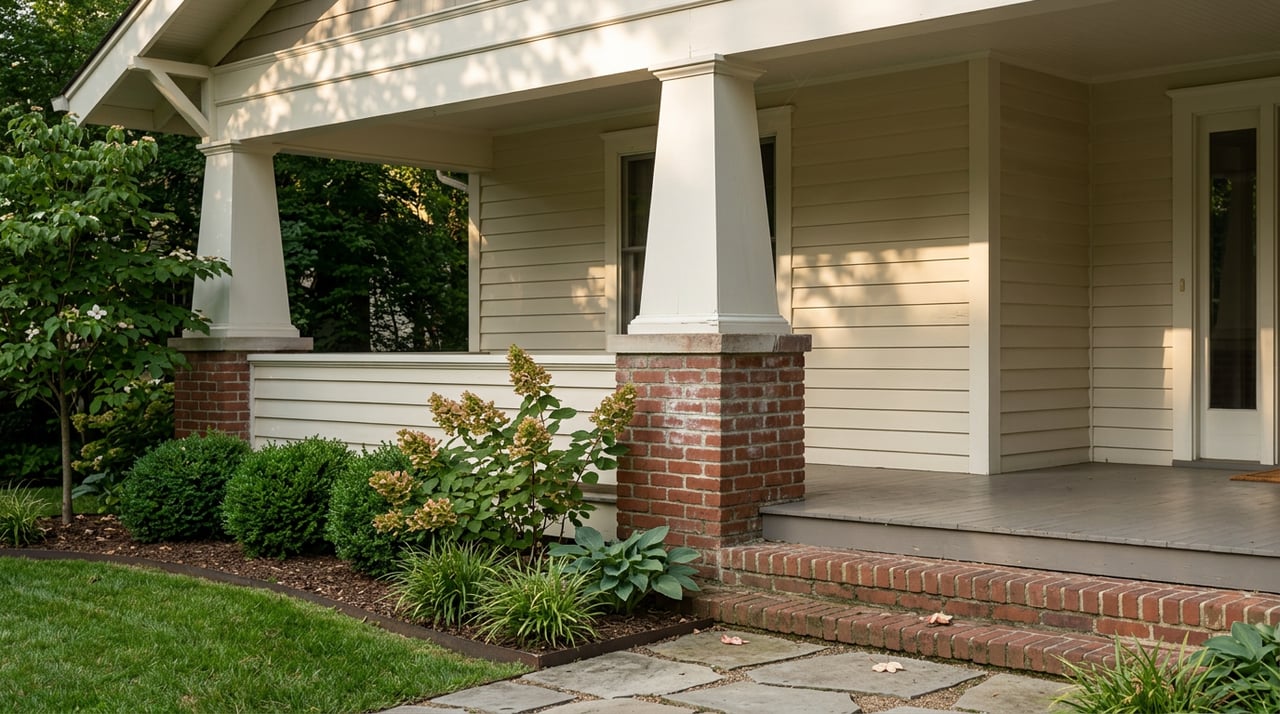
This area follows Franklin's original town plan from 1799, and that history still shows up in the architecture. Design guidelines reference styles such as Federal, Greek Revival, Folk Victorian, Neoclassical, and Bungalow — which gives the area a layered look instead of a uniform one.
What daily life looks like here
Living near the historic core often means being close to activity. Franklin highlights events such as Main Street Festival, Fourth of July celebrations, PumpkinFest, Veterans Day Parade, and Dickens of a Christmas. The area tends to appeal to buyers who enjoy a fuller social calendar and a more active streetscape.
The tradeoffs are real: homes may be older, lots may be smaller, and streets are tighter than what you find in newer suburban neighborhoods. If you love character and walkability, those details tend to feel like part of the appeal rather than a drawback.
What to know about historic oversight
In Franklin's local historic districts, exterior changes may be reviewed by the Historic Zoning Commission before work begins. If you are drawn to an older home and already imagining renovations or exterior updates, that is worth factoring in early. It does not make the area less appealing — it simply means the preservation of neighborhood character is part of the ownership experience.
Parking and getting around
Downtown parking is free, but on-street spaces are limited to two hours, and the city provides two garages with 300 spaces each. Downtown is manageable, but it does not function like a fully car-oriented suburban setting. If you want to step out to dinner, browse local shops, or enjoy events without driving far, this zone makes a strong lifestyle case. If you want driveway-in, driveway-out simplicity every day, a different part of town will suit you better.
If your ideal neighborhood includes newer homes, structured amenities, and easier access to major roads, Franklin's master-planned communities are likely the best fit. Areas like Westhaven, Berry Farms, and McKay's Mill each represent a different version of that lifestyle — and they share a common thread: predictability. You can generally balance commuting, errands, recreation, and neighborhood social life from one place.
These communities also cluster around Cool Springs, which the city identifies as a major business, dining, and shopping hub where many Fortune 500 companies are located. For buyers with jobs in that corridor, proximity to I-65 and Cool Springs can be as important as the neighborhood itself.
Westhaven
Westhaven is one of Franklin's clearest examples of a lifestyle-forward community. Housing options include single-family homes, townhomes, condominiums, and a 55+ component, alongside gathering spaces, concerts, songwriter nights, tennis, pickleball, golf, an art center, playgrounds, and pools. The biggest draw for many buyers is not just the housing mix — it is the feeling that the neighborhood itself offers a steady stream of ways to plug in and stay active.
Berry Farms
Berry Farms stands out for its mixed-use design. The community describes itself as a 600-acre environment where residential living, shopping, dining, work, and open space are intentionally integrated. It sits at the I-65 and Peytonsville Road interchange, making access a core part of its appeal. Residential options range from Town Center homes and condo flats to custom-built homes, with Federal-style architectural cues that nod to Franklin's historic character.
McKay's Mill
McKay's Mill offers a more established version of convenience-oriented living. The HOA describes it as one of Franklin's largest planned communities, located about 2 miles east of I-65 and Cool Springs Boulevard, with single-family homes, townhomes, and condominiums. A town centre with a grocery store, medical offices, restaurants, child care, clubhouse, pool, playgrounds, walking trails, and green spaces makes daily errands and services unusually close to home.
If your idea of home includes scenic roads, more breathing room, and a slower pace, Franklin's rural-edge areas may be the best match. This is less about one subdivision and more about a land-use pattern shaped by preserved open space, village-scale planning, and intentional distance from the built-out suburban grid. You typically trade some convenience for scenery and a quieter daily rhythm.
Leiper's Fork
Leiper's Fork is described as a laid-back village just outside downtown Franklin, with art galleries, antiques, live music, and a countryside-escape feel. It is a distinctly different daily-life proposition from the downtown core or the Cool Springs area — and for many buyers, that difference is exactly the point. Williamson County's planning for the area is intentionally managed to protect village scale and rural character, which helps preserve the setting that draws people here.
Natchez Trace and the rural-edge feel
The Natchez Trace Parkway reinforces this side of Franklin's identity. Rolling hills, Timberland Park, Birdsong Hollow, and the nearby connection to Leiper's Fork all contribute to the sense that this area is defined more by landscape than by subdivision density. That shapes everything from your weekend routine to the visual feel of your drive home.
Franklin Road Historic District
The Franklin Road Historic District fits into this countryside-feel category even though it sits closer to the city core than Leiper's Fork. City design guidelines describe a mix of historic homes, farmsteads, and corridor development, with goals that call for an open, rural appearance. Building heights in the rural landscape are limited to one or two stories, which supports the lower-scale look of the area. For buyers drawn to historic property with a more open visual setting, this is an especially interesting part of Franklin to explore.
The easiest way to narrow your search is to think beyond the home itself and focus on your routine. Ask yourself where you want your week to feel easiest, most energizing, or most restorative.
Franklin remains primarily car-oriented, but its mobility picture is more layered than most people expect. The city continues to invest in sidewalks, multi-use paths, and ADA improvements, including projects that connect parks, trails, downtown, and nearby neighborhoods.
Recent work includes the pedestrian bridge linking the Park at Harlinsdale Farm to the Chestnut Bend trail network, the New Highway 96 West multi-use trail, and a Franklin Road streetscape connection between Downtown and The Factory. Sidewalk-gap work has also been completed along Liberty Pike to McKay's Mill and along Fieldstone Farms Parkway and Lexington Parkway.
Transit may also be more available than you expect. Franklin Transit Authority provides fixed-route service and Transit On Demand curb-to-curb service six days a week throughout Franklin. The city has a downtown transit center on Columbia Avenue, and WeGo express coach service connects to Nashville.
Access still varies significantly by location, though. Planned communities near I-65 tend to feel most efficient for commute-heavy routines, while rural-edge areas offer more space and scenery in exchange for longer drives.
Choosing a Franklin neighborhood is rarely about finding the single "best" area. It is about finding the place that best matches your pace, priorities, and version of home.
Some buyers light up when they can walk to coffee, events, and local shops. Others want a more organized neighborhood setup with amenities close by. Some are happiest on scenic roads with a little more land and a little less uniformity. A clear neighborhood match can make the whole move feel easier — especially if you are relocating or trying to narrow your options from a distance.
If you want help translating Franklin's distinct areas into a focused, realistic home search, Antonia Nelson offers thoughtful buyer guidance shaped around lifestyle, logistics, and long-term fit.
Why do Franklin neighborhoods feel so different from each other? Franklin's growth has been shaped by planning, preservation, and transportation decisions that intentionally separate historic areas, newer growth zones, and rural-edge settings — so daily life can feel very different from one area to the next.
What should buyers expect in Franklin's historic downtown? A walkable setting with preserved architecture, older housing stock, tighter street grids, and frequent community events. Some properties carry historic-review requirements for exterior changes, which is worth understanding before you buy.
What defines Franklin's master-planned communities? Newer homes, neighborhood amenities, and easy access to I-65 and Cool Springs. Westhaven, Berry Farms, and McKay's Mill are the most prominent examples, each with a slightly different mix of housing types and lifestyle features.
What is the appeal of Leiper's Fork and Franklin's rural-edge areas? Scenic roads, village-scale or lower-density development, and a slower pace that feels more connected to open space and the county's rural character — usually with more driving involved.
Does Franklin offer transit and walkability? More than most people realize. Franklin has fixed-route transit, on-demand transit service, and ongoing investment in sidewalks and multi-use paths — though most neighborhoods still function primarily around car travel.
Stay up to date on the latest real estate trends.
Franklin
How to find the Franklin neighborhood that fits the way you actually want to live
Receive expert guidance on accurately evaluating property value, preparing a strong and highly competitive offer, handling contracts with confidence, and navigating every step of the buying or selling process with ease. Reach out to Antonia today to confidently achieve your real estate goals and make informed decisions!