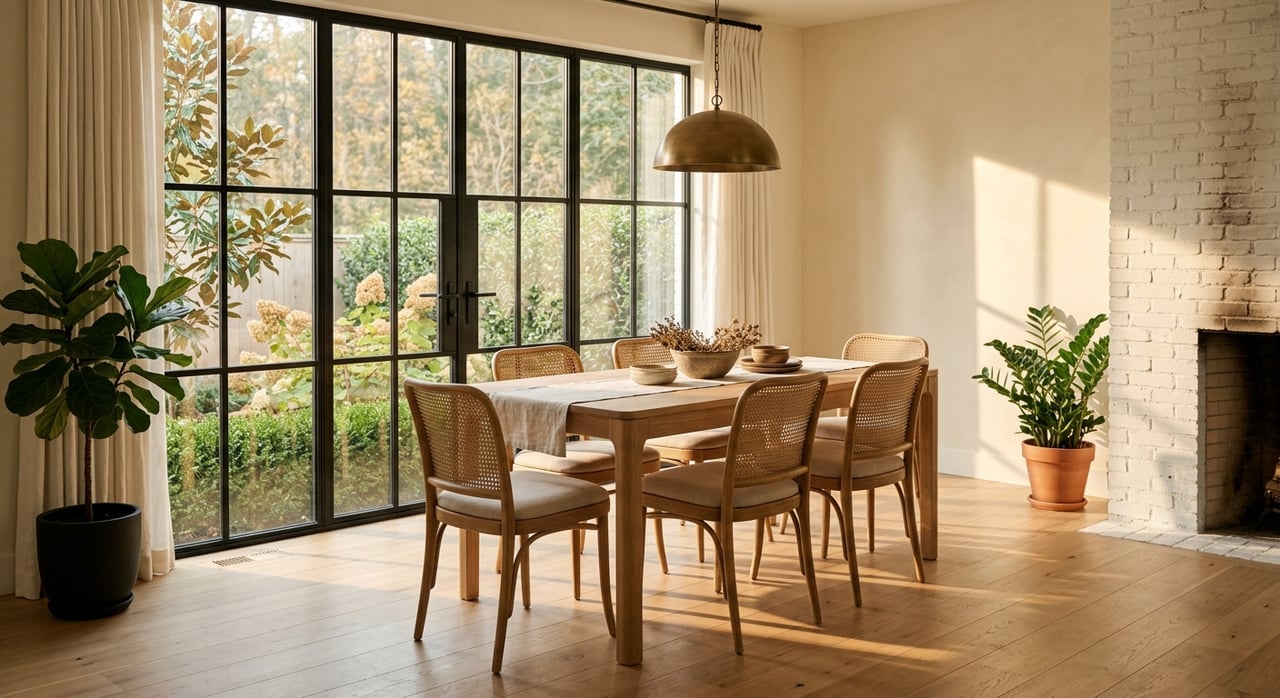
Inside East Nashville’s Creative Community Appeal
June 11, 2026
June 11, 2026
Looking for a Nashville neighborhood that feels creatively alive, not just branded that way? East Nashville stands out because it blends everyday residential life with venues, studios, coffee shops, restaurants, and small business spaces that support real creative work. If you are wondering why so many artists, musicians, and media-adjacent buyers keep East Nashville on their radar, this guide will walk you through what makes the area appealing and what to keep in mind as you search for a home. Let’s dive in.
East Nashville appeals to creatives and musicians in part because it is not built around a single use. According to the East Nashville Community Plan, the neighborhood has long supported a dense mix of housing types and small-scale non-residential spaces. That mix helps create an environment where residential streets, gathering places, and creative workspaces can exist close together.
That matters when you want your daily routine to feel connected. In East Nashville, grabbing coffee, meeting collaborators, catching a live set, and heading home can all happen within the same general area. Visit Nashville also describes the neighborhood as a destination for live music, art, vintage shopping, coffee shops, record stores, dive bars, and innovative restaurants, reinforcing its reputation as a place where social and creative life overlap.
For musicians, East Nashville’s appeal is not just about image or history. The neighborhood continues to support a current network of independent venues that serve both audiences and working artists. That gives the area a sense of momentum that can be hard to replicate.
The 5 Spot identifies itself as a local music venue on Forrest Avenue and also offers live recording options. The Basement East says it opened in 2015 and is the only mid-sized music venue in Five Points, with a strong reputation among touring acts and East Nashville’s creative community.
DRKMTTR Collective adds another dimension to the local scene. It describes itself as an all-ages space and a hub for creative collaboration, and city-supported nightlife programming has also highlighted East Nashville venues like DRKMTTR Collective, The 5 Spot, and The Basement as active hosts for local artists. Together, those venues help show that East Nashville remains a working music district, not just a neighborhood with legacy appeal.
One reason East Nashville resonates with creatives is the range of spaces it offers. A neighborhood with only large venues can feel less accessible to emerging artists, while a neighborhood with only tiny rooms may feel limiting for more established performers. East Nashville’s mix gives musicians more ways to participate in the local scene.
That variety also helps foster collaboration. Smaller and mid-sized venues can create more opportunities for artists to meet, test new material, and stay connected to a broader creative network. For buyers who care about being close to that kind of energy, the neighborhood’s music infrastructure is a meaningful factor.
Creative neighborhoods are often romanticized, but practicality matters. East Nashville stands out because recording and production spaces are embedded within the neighborhood itself. That can make daily life easier for musicians, producers, and other creatives with irregular schedules.
dsplcmnt studio describes its Five Points location as a professional recording studio within walking distance of neighborhood bars, restaurants, and venues. Laughing Heart Studios identifies itself as a recording studio and production facility in East Nashville. Five Points Recording also places itself in the heart of the neighborhood, with nearby lodging, restaurants, and shops.
This kind of proximity can shape how a neighborhood feels to live in. When rehearsal, recording, meals, and social time all happen within a compact area, the neighborhood starts to function as part of your workflow. For many creative professionals, that is more valuable than a purely residential setting with a longer commute to everything else.
East Nashville is also attractive because its housing stock does not feel overly uniform. The East Nashville Community Plan notes a long history of single-family and two-family homes, accessory carriage houses and alley houses, townhouses, and smaller stacked flats. That range helps create a neighborhood with visual texture and multiple housing options.
For buyers in creative fields, that can be a big part of the draw. You may be looking for a bungalow with architectural personality, a townhouse near activity hubs, or a home that supports a flexible layout for work and everyday life. In East Nashville, the housing fabric is part of the neighborhood’s identity, not separate from it.
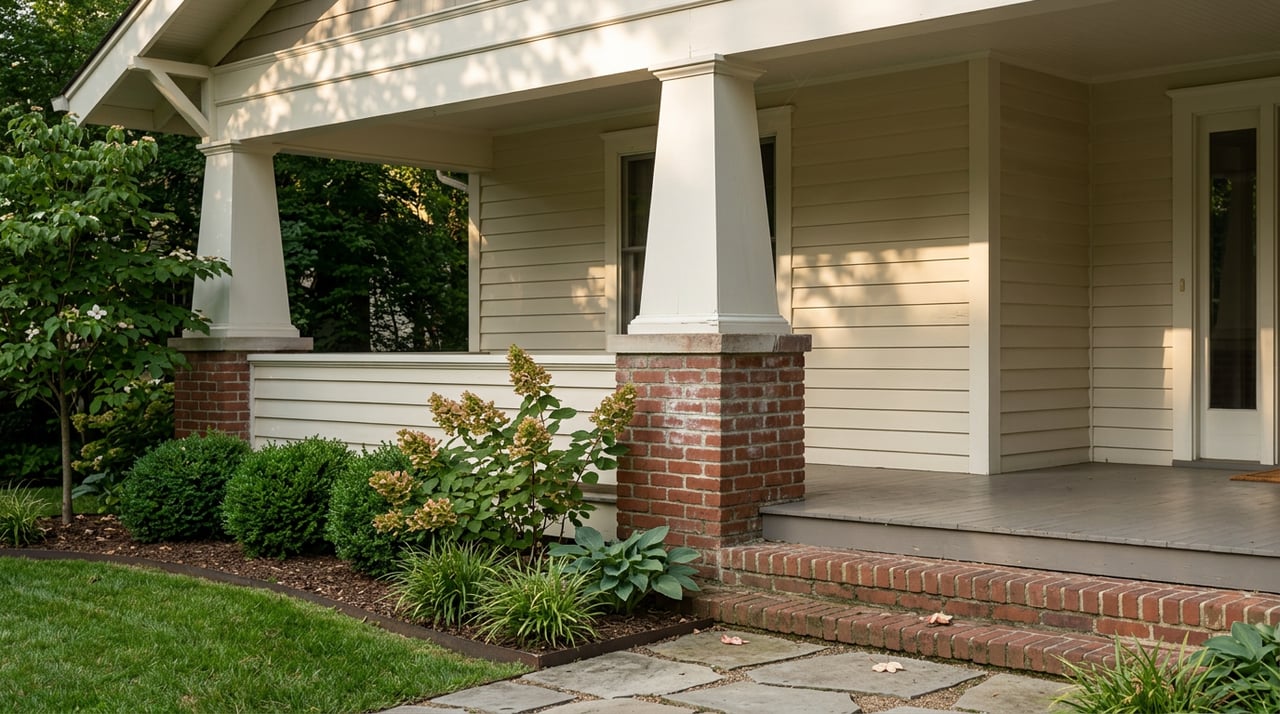
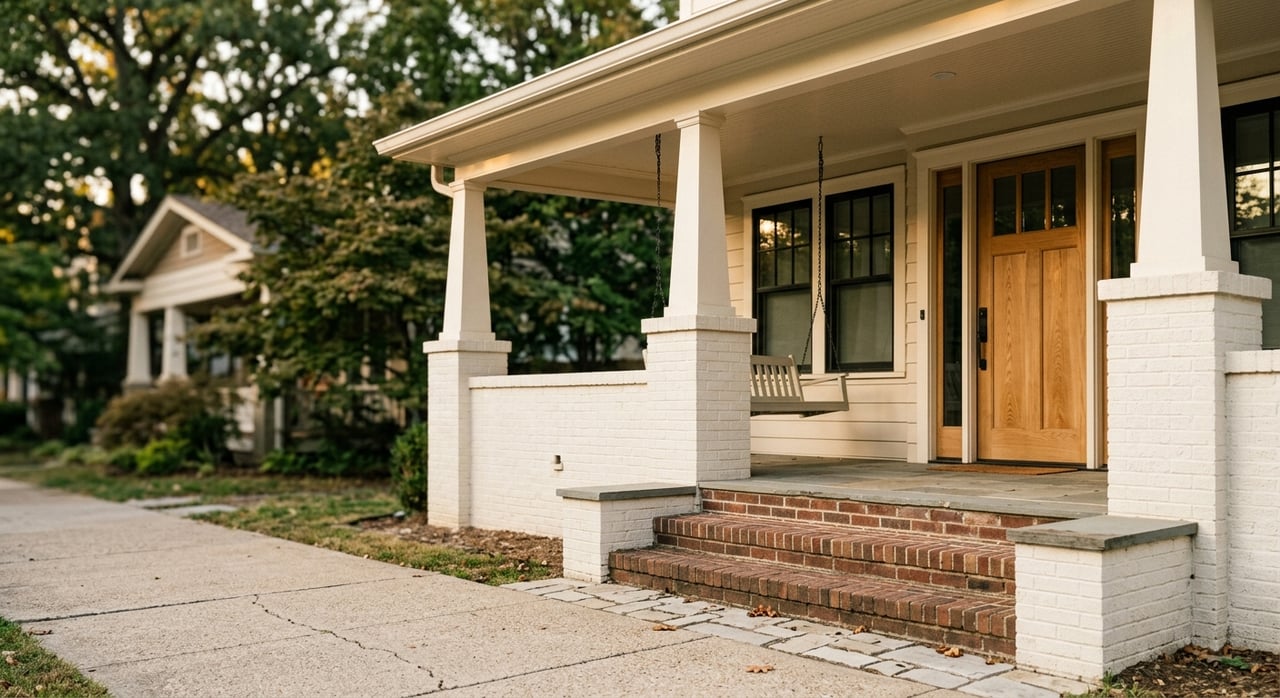
Neighborhood conservation materials describe East Nashville as a historic streetcar neighborhood with home styles that include Folk Victorian, Craftsman bungalow, vernacular bungalow, American Four Square, and Tudor Revival. That architectural variety gives many blocks a distinct visual rhythm and a sense of place that newer subdivisions often do not offer.
For some buyers, that character is exactly the point. Original details, older streetscapes, and a less standardized look can feel more aligned with a creative lifestyle. At the same time, each property will differ in condition, updates, and layout, so the appeal is often as much about fit as it is about style.
If you are drawn to an older home in East Nashville, it is also important to understand how overlay areas work. Nashville’s historic zoning guidance explains that historic overlays preserve neighborhood character through design review, while not changing the basic allowed use of a property.
In practical terms, that means you may find a home with strong architectural identity, but certain exterior changes could face more review than they would in a newer area. For buyers who plan to renovate, expand, or make noticeable exterior updates, this is something to verify early in the process.
East Nashville often attracts buyers who want some blend of home and creative work. That interest makes sense given the neighborhood’s mix of housing, studios, and commercial activity. Still, whether a specific property can support your intended use depends on local rules, not just neighborhood vibe.
Nashville explains that zoning determines what you can build and operate on a property, while building code governs how you build it. The city also states that home occupation permits are available for certain businesses in residential homes, but only if specific conditions are met.
Those conditions include factors such as primary residence status, owner or qualifying-renter status, adjacent-property notification, and limits on permits per lot in some residential districts. So while East Nashville may be appealing for home-based creative work, the legal use of any house needs to be checked on a parcel-by-parcel basis.
This is especially important if you hope to teach lessons at home, run a small production setup, or create a true live-work arrangement. Two houses on similar streets can have very different practical options depending on zoning, overlay constraints, and permit requirements.
A neighborhood match is only part of the process. The property itself needs to support your real goals, both now and over time. For creative buyers, that kind of due diligence can help prevent expensive surprises later.
Many people think first about music when they think about East Nashville, but movement through the neighborhood is part of the appeal too. Nashville’s East Nashville Bikeway planning focuses on connections from residential areas to Five Points, Shelby Bottoms Park, and routes into Downtown. The East Nashville Community Plan also supports more pedestrian- and transit-oriented corridors, including along Gallatin Pike.
For buyers who want to move between home, studio, coffee shop, and venue without relying entirely on a car, those connections matter. They support a more flexible daily rhythm and can make the neighborhood feel more integrated. In a creative district, convenience is not just about saving time. It can also support spontaneity and community connection.
At its best, East Nashville offers more than a cool reputation. It brings together independent venues, working studios, neighborhood-serving businesses, varied housing, and mobility connections in a way that supports real day-to-day creative life. That combination is a big reason the neighborhood continues to appeal to musicians, artists, and buyers who want a home that feels connected to how they actually live and work.
If you are considering a move here, the most helpful approach is to look beyond aesthetics. Pay attention to housing type, zoning, overlay rules, and how close each property is to the places and routines that matter most to you. When those pieces line up, East Nashville can offer a lifestyle that feels both grounded and creatively energizing.
Whether you are relocating to Nashville or narrowing your search within the city, working with someone who understands both neighborhood nuance and creative priorities can make the process much clearer. If you want help finding the right fit in East Nashville, connect with Antonia Nelson.
Stay up to date on the latest real estate trends.
Franklin
How to find the Franklin neighborhood that fits the way you actually want to live
Receive expert guidance on accurately evaluating property value, preparing a strong and highly competitive offer, handling contracts with confidence, and navigating every step of the buying or selling process with ease. Reach out to Antonia today to confidently achieve your real estate goals and make informed decisions!