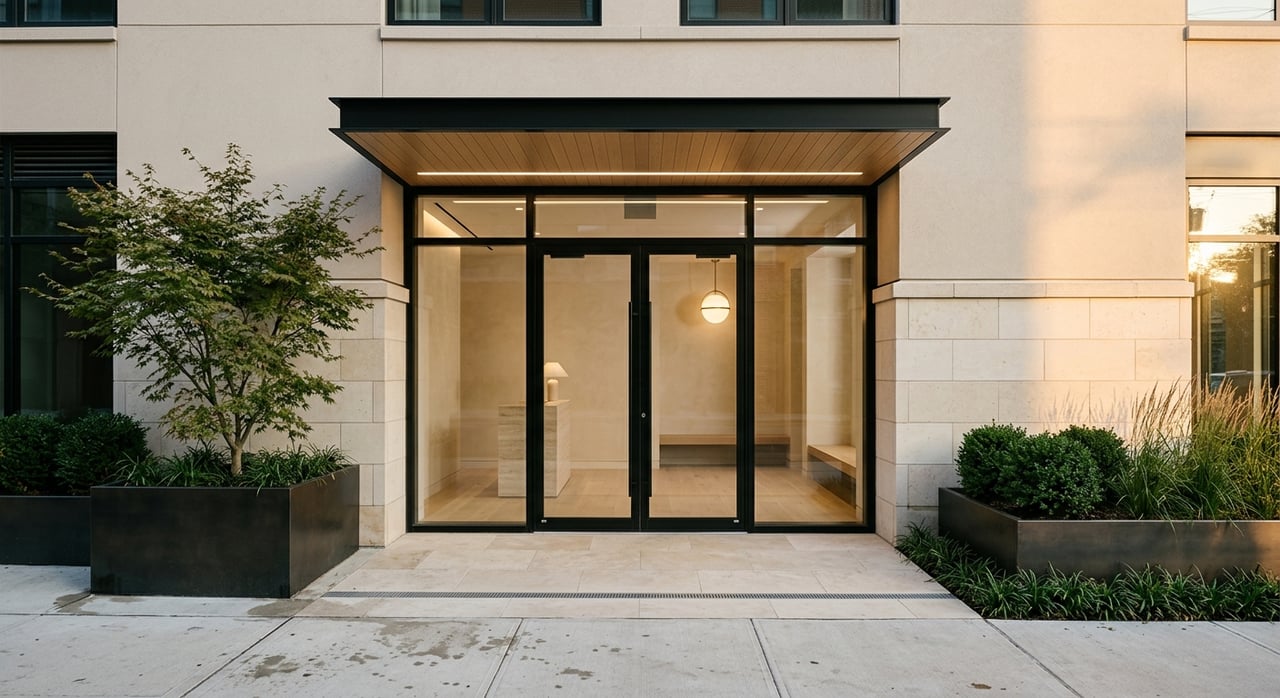
A Step-By-Step Guide To Buying A Condo In The Gulch
June 18, 2026
June 18, 2026
Buying a condo in The Gulch can feel simple at first glance. You find a sleek listing, check the photos, and imagine the convenience of living in one of Nashville’s most walkable mixed-use districts. But in this part of Davidson County, the building matters just as much as the unit, and knowing what to review early can save you time, stress, and costly surprises. This guide walks you through the process step by step so you can buy with more clarity and confidence. Let’s dive in.
The Gulch is best understood as a compact downtown district rather than a traditional suburban neighborhood. Metro Nashville notes that neighborhood boundaries are not definitive, and the area is shaped by a pedestrian-oriented, mixed-use environment with residential, retail, office, and open-space connections.
For you as a buyer, that means your daily experience often depends on more than square footage alone. The building, the block, the parking setup, and the street feel can all have a major impact on how the home lives day to day.
Metro planning also describes Mid-Gulch as an area facing increased development pressure. In practical terms, future construction and continued change should be part of your buying decision, especially if views, light, noise, or traffic patterns matter to you.
Before you tour listings, get clear on what matters most to you. In a district like The Gulch, two condos with similar pricing can offer very different ownership experiences.
Start with the features that affect your routine and comfort most. Think beyond finishes and ask yourself how you want the building to function for you every day.
If you are relocating, this step is especially useful. It helps you separate what looks appealing online from what truly supports your lifestyle once you move.
One of the biggest mistakes condo buyers make is focusing only on the unit. In The Gulch, you are buying into a shared ownership structure, and the homeowners association has meaningful authority under Tennessee condominium law.
That authority can include adopting rules, setting budgets and reserves, collecting assessments, regulating common elements, charging fees for use of common areas, and imposing reasonable fines after notice and an opportunity to be heard. Because of that, the right question is not only “Do I like this condo?” but also “Do I want to own in this building?”
This is where thoughtful guidance matters. A polished listing may show the unit well, but it will not always tell you how the building operates behind the scenes.
In Tennessee, associations are required to make financial and other records reasonably available. The written-request process can return important documents within 15 business days without a fee, including the declaration, bylaws, current rules, budget and reserves, minutes, insurance information, assessments, transfer fees, additional amenity charges, and litigation information.
That is why it is smart to request the association packet as early as possible. If a building is a serious contender, you want time to read the documents carefully before you feel rushed by deadlines.
Meeting minutes can be especially revealing. They may show recurring maintenance concerns, discussion of upcoming repairs, or patterns that help you understand how the building is managed.
A lower monthly HOA fee is not automatically the better deal. In condo ownership, the better question is what that fee actually covers and whether the building appears to be maintaining its obligations responsibly.
Tennessee condo law allows associations to set budgets, reserves, assessments, transfer charges, and fees tied to common elements and services. That makes it important to compare dues against services, maintenance standards, and financial planning rather than treating the monthly number in isolation.
A building with stronger maintenance and more complete coverage may provide better long-term value, even if the monthly dues are higher.
Reserve strength is one of the most important parts of condo due diligence. Tennessee enacted a reserve-study requirement for unit owners’ associations effective January 1, 2024, and the legislative summary describes a reserve study as an analysis of the remaining useful life and replacement cost of common elements intended to reduce the need for special assessments.
For you, this means reserve planning should be a central part of your review. If a building has weak reserves or major projects on the horizon, you may face added costs later.
In The Gulch, those questions often matter even more because urban buildings rely heavily on shared systems like elevators, structured parking, access controls, and amenity spaces. When these systems need repair or replacement, costs can be significant.
Condo financing and insurance can be more layered than many buyers expect. For Fannie Mae-backed condo loans, master property insurance is required for the common elements and residential structures unless the legal documents call for individual unit policies.
If the master policy does not cover the unit interior or improvements, the borrower must maintain an individual unit-owner policy. Fannie Mae also states that condo master policies should be replacement-cost policies and meet specific deductible and coverage standards.
These details matter for both your lender approval and your ongoing ownership costs. It is better to sort them out early than discover a gap late in the process.
Even in a newer or well-presented building, a condo purchase still needs careful inspection. Tennessee’s Residential Property Disclosure Act states that the seller disclosure is not a warranty and is not a substitute for inspections by the purchaser or a professional home inspector.
That makes the inspection step essential. The disclosure can be helpful, but it should never replace your own due diligence.
In a dense urban setting, the lived experience of the unit matters as much as the design. A beautiful kitchen does not tell you how the home sounds at night or how the building feels during busy hours.
Because Mid-Gulch is identified by Metro planning as an area facing increased development pressure, nearby construction should be part of your review. If you are paying a premium for a view, quieter exposure, or a specific street feel, future projects may affect that experience.
This does not mean development is automatically a negative. It simply means change is part of ownership in this district, and it is wise to go in with open eyes.
In The Gulch, the immediate building and block often matter more than a broad neighborhood label. That is one reason hyper-local due diligence is so valuable here.
If you think you may want to rent the condo later, do not assume that option will be available. Rental flexibility is a building-by-building issue, and both zoning and HOA rules need to be reviewed.
Metro Nashville states that HOA rules can be more restrictive than city short-term rental regulations. Metro also notes that new non-owner-occupied short-term rental permits are allowed only in certain zoning districts, including DTC North, DTC South, DTC West, and DTC Central, and those permits are non-transferable if the property is sold.
This step matters for relocation buyers in particular. Even if you plan to live in the condo now, your future plans may change, and it is worth understanding your options upfront.
If you are moving to Nashville from another city, remote touring can be a very helpful tool. But in The Gulch, many meaningful differences are hard to capture in listing photos alone.
Lobby quality, elevator waits, garage access, package handling, storage, sound, and the feel of the block at different times of day can all influence your ownership experience. The best approach is to pair live video or virtual tours with the condo documents and, when possible, an in-person follow-up before waiving contingencies.
That balanced approach gives you both convenience and a clearer real-world picture. For many relocation buyers, it is the difference between buying a nice-looking condo and buying the right condo.
By the time you are ready to make an offer, you should have more than a good feeling about the unit. You should also understand the building’s rules, financial setup, insurance structure, and likely long-term maintenance picture.
That preparation helps you make a more confident decision and reduces the chances of unpleasant surprises during escrow. It also gives you a better framework for comparing options if you are choosing between multiple buildings in The Gulch.
As a broader market snapshot, Greater Nashville REALTORS® reported 451 condo closings across the nine-county Nashville area in April 2026, with a condo median price of $345,000, inventory of 2,654, and 57 days on market. While that data is broader than The Gulch itself, it provides useful context for the condo environment buyers are entering.
Buying a condo in The Gulch is rarely just about selecting the prettiest unit. It is about matching your lifestyle, budget, and future plans to the right building, the right block, and the right ownership structure.
If you are relocating, buying remotely, or comparing several condo options at once, a calm and organized process can make all the difference. With the right support, you can move through the details with more ease and make a decision that feels both smart and personal.
If you are considering a condo purchase in The Gulch and want a thoughtful, detail-oriented guide through the process, Antonia Nelson is here to help.
Stay up to date on the latest real estate trends.

Franklin
How to find the Franklin neighborhood that fits the way you actually want to live
Receive expert guidance on accurately evaluating property value, preparing a strong and highly competitive offer, handling contracts with confidence, and navigating every step of the buying or selling process with ease. Reach out to Antonia today to confidently achieve your real estate goals and make informed decisions!